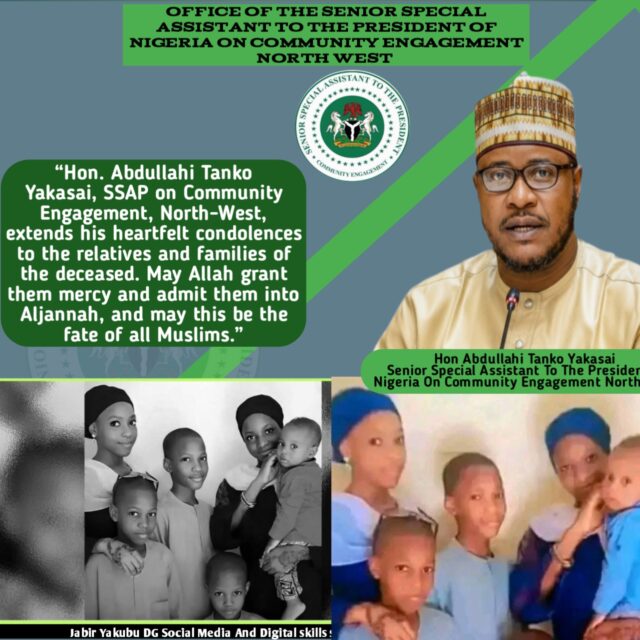
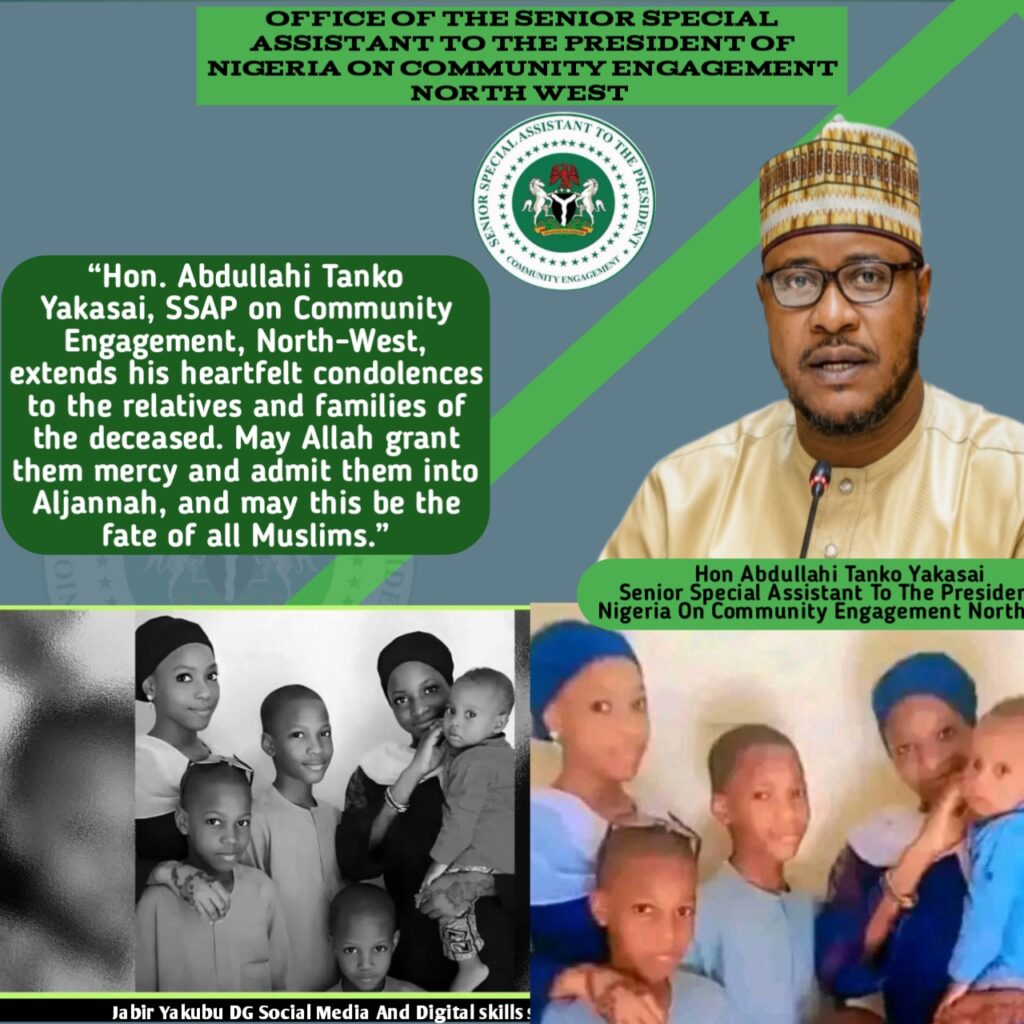
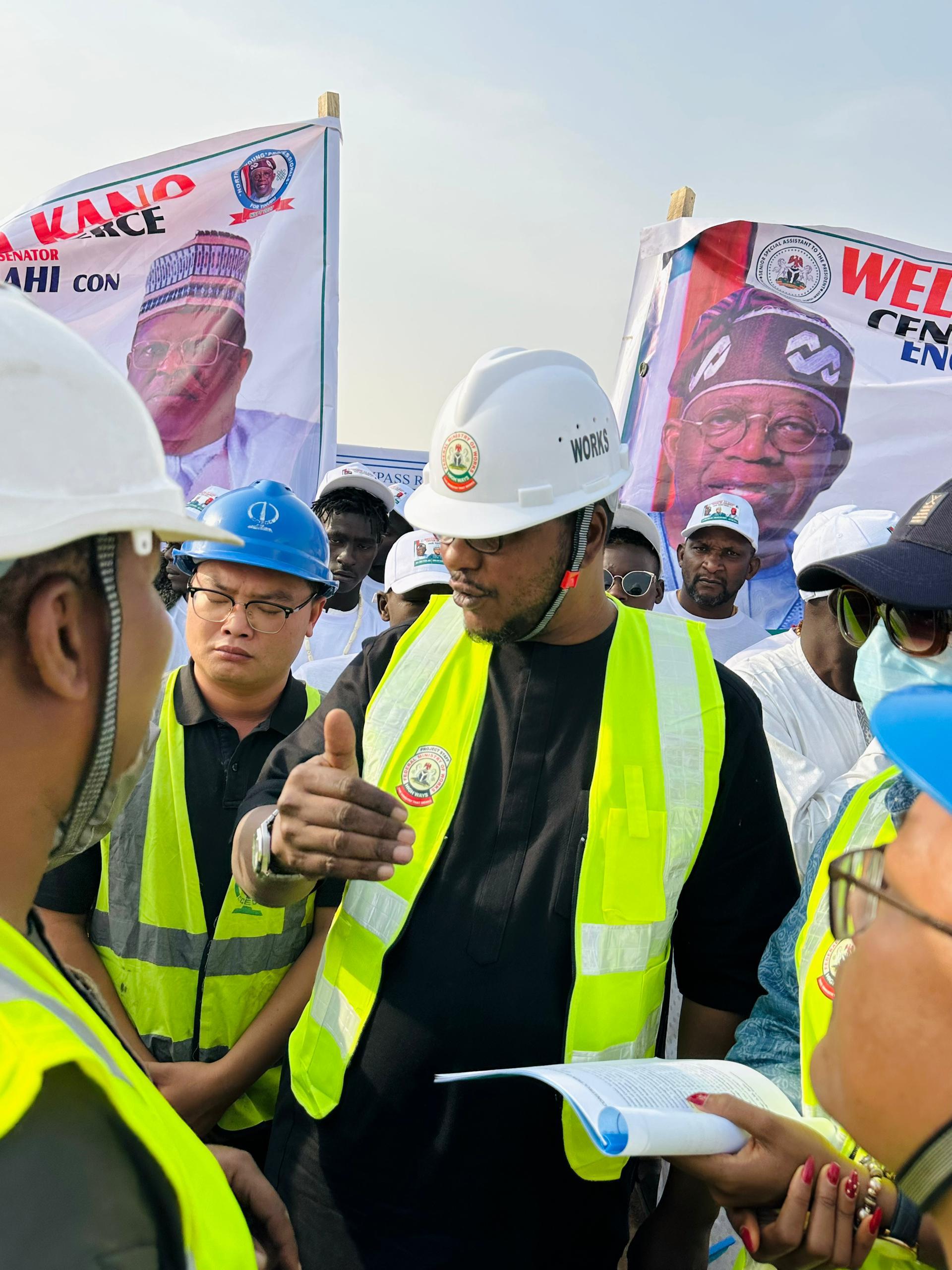
Hon. Abdullahi Tanko Yakasai, Senior Special Assistant to the President on Community Engagement (North-West), extends his heartfelt condolences to the families and relatives of the deceased.
May Allah grant them mercy, forgive their shortcomings, and admit them into Aljannah. May this be the fate of all Muslims. Ameen.
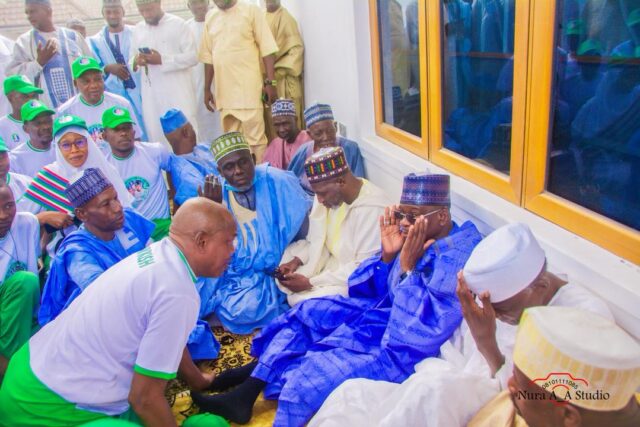
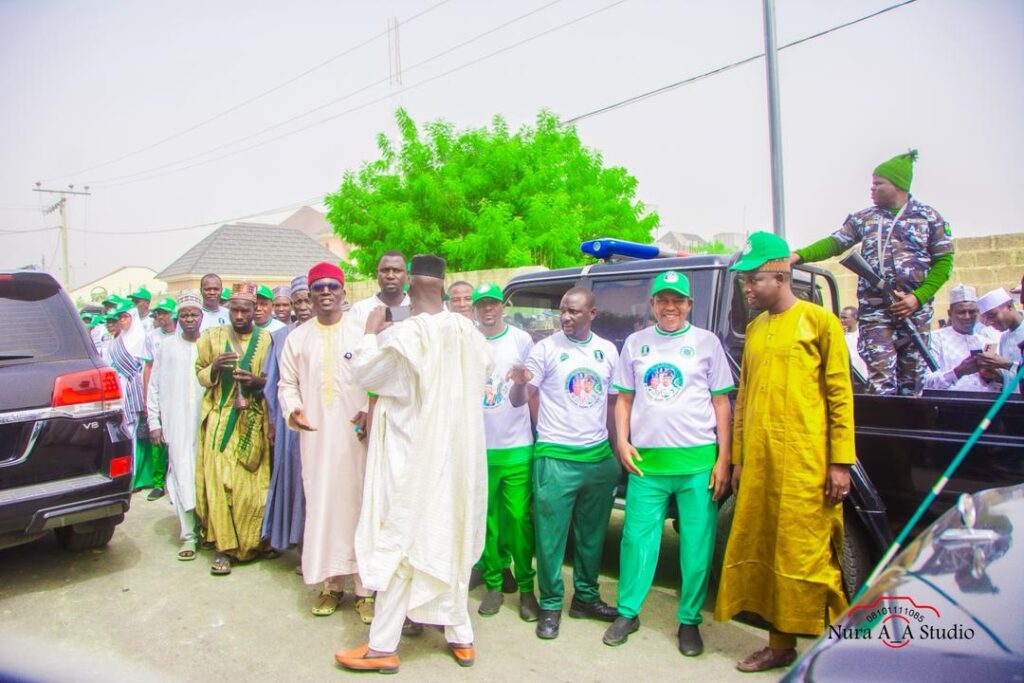
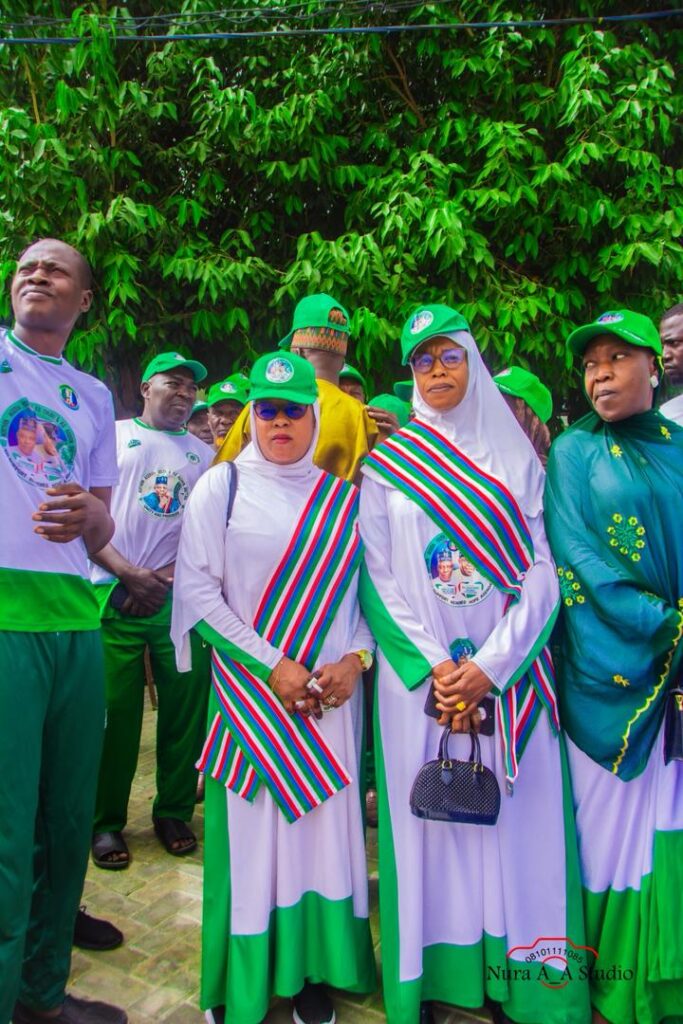
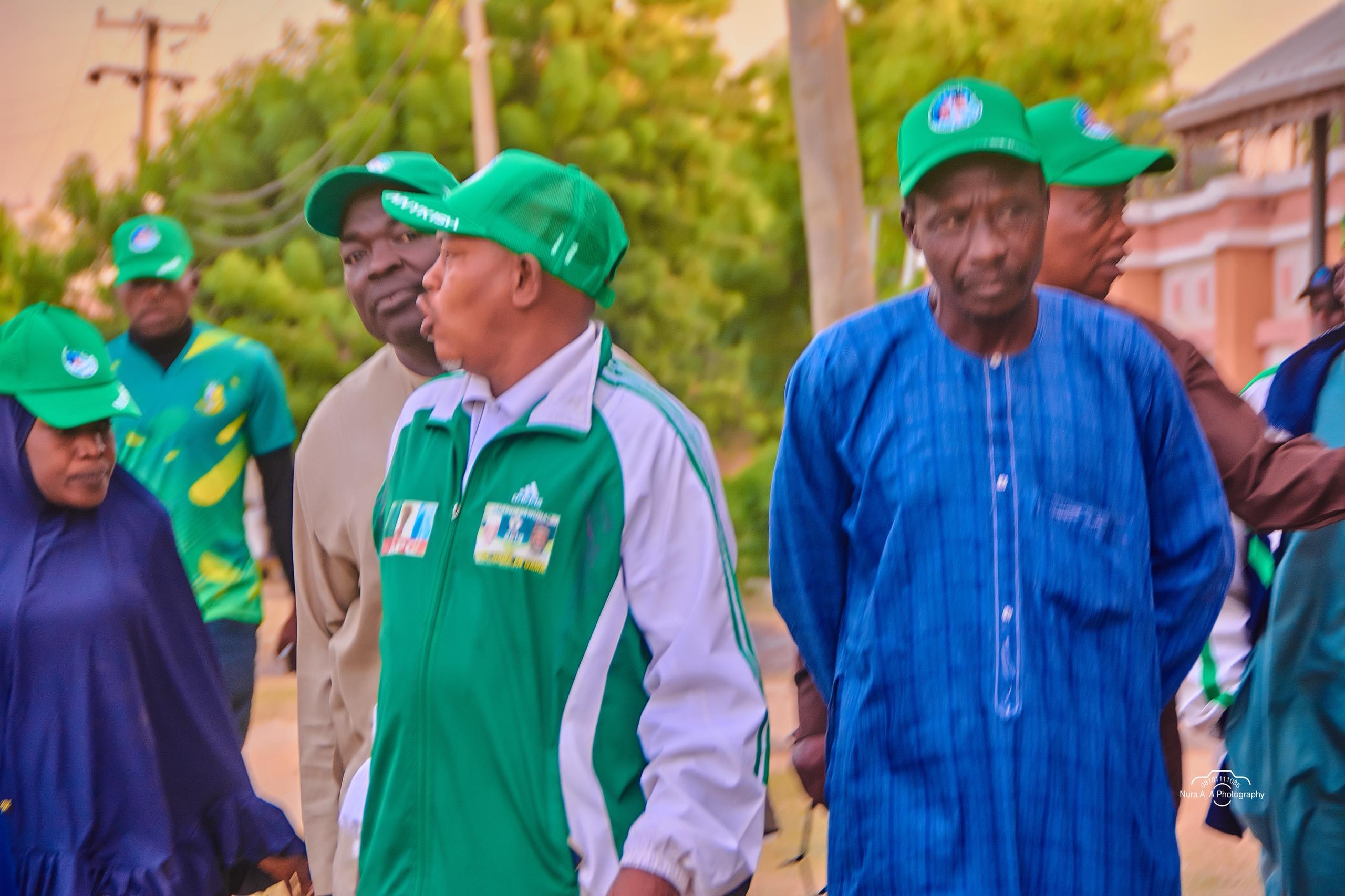
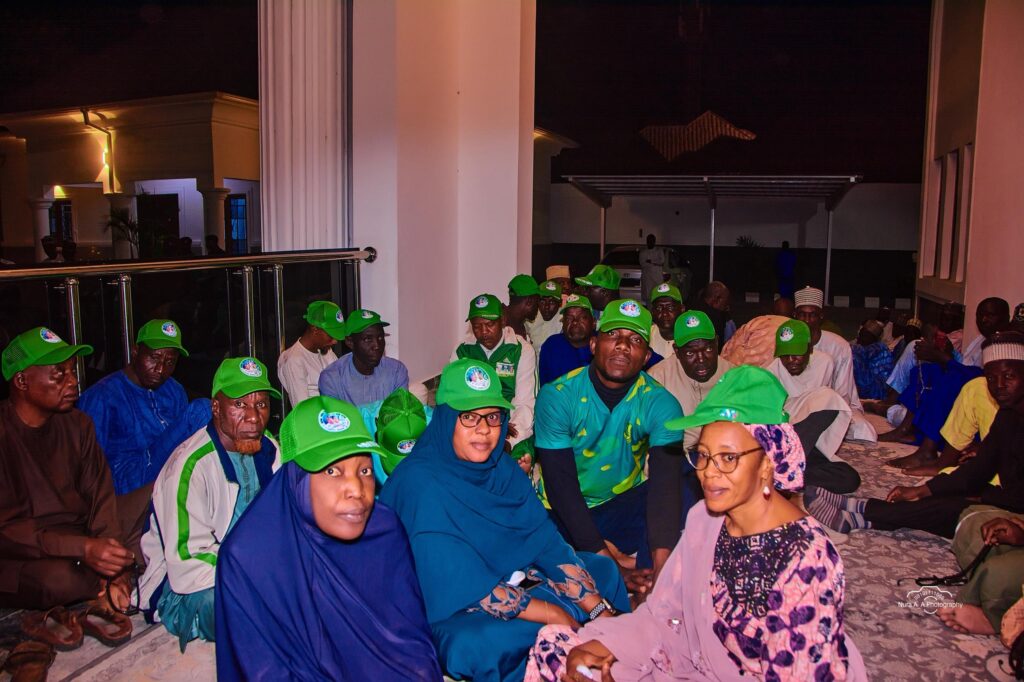
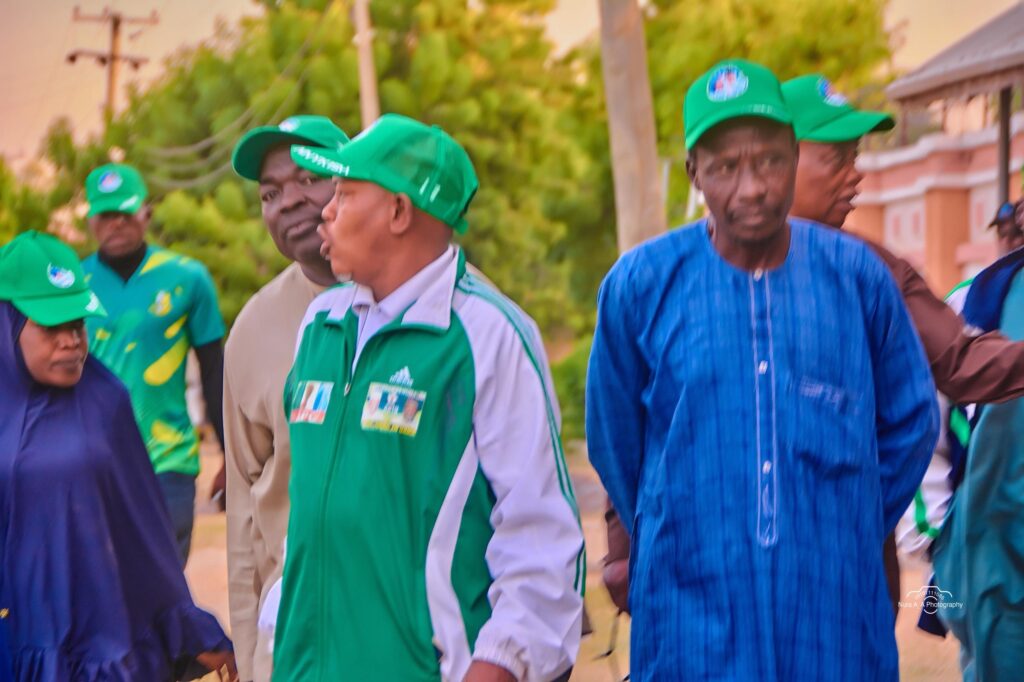
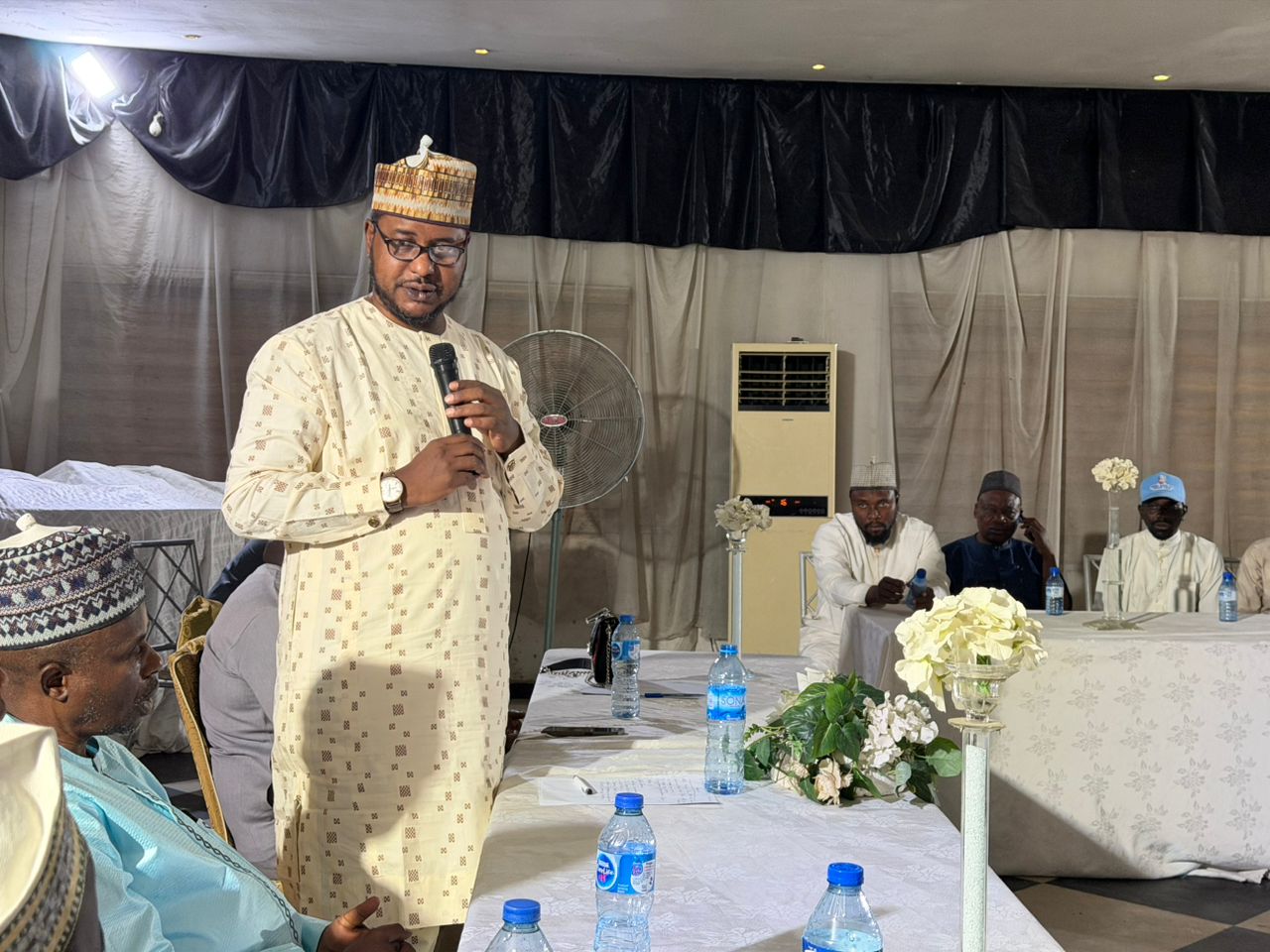
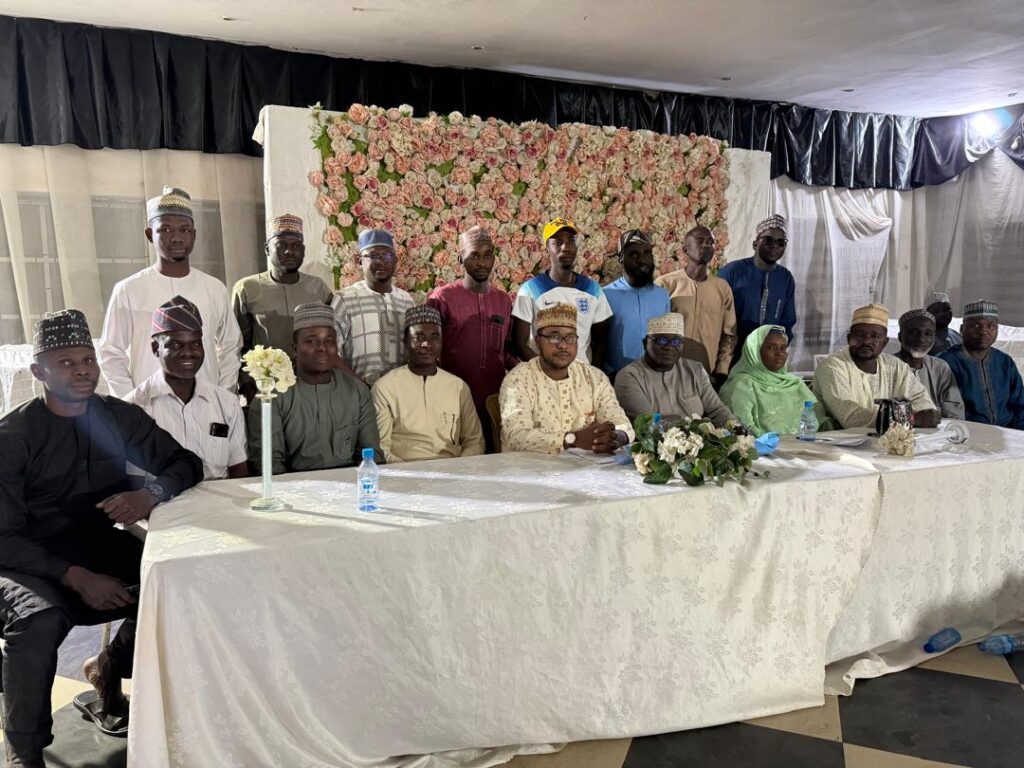
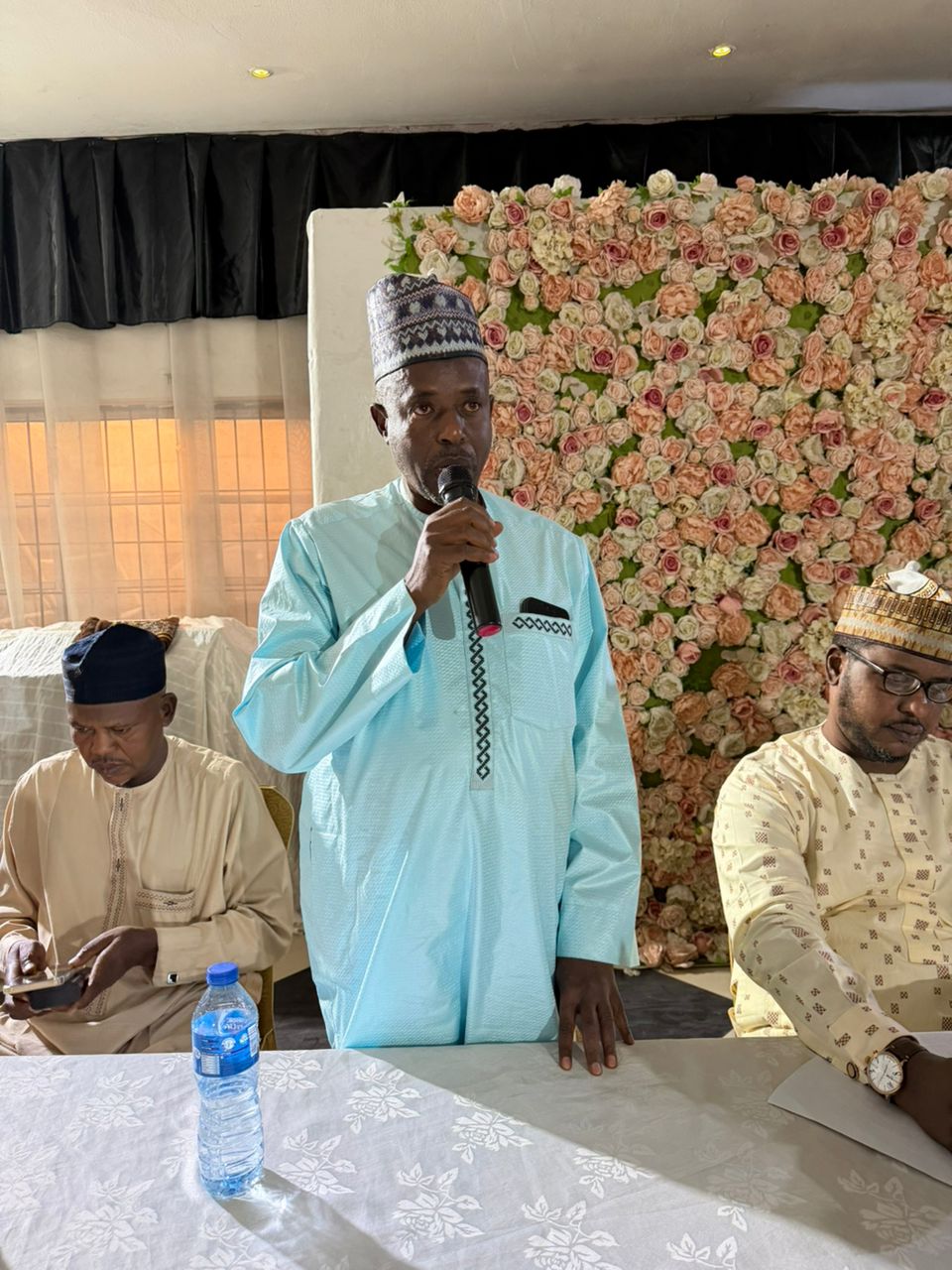
It is with great honor that we, the members of Northern Nigerian Youth For HE TINUBU and HE Kasshim Shettima Continuity, and all APC stakeholders in Nigeria, confirm our attendance at the wedding Fatiha of the sons of His Excellency, the Deputy National Chairman North, Hon Ali BUKAR DALORI.
This event brings together members from the 19 Northern states, showcasing our solidarity and commitment to party unity and the ideals of our great party. We stand behind HE TINUBU and HE Kasshim Shettima’s continuity, and we’re proud to be coordinated by the former Kano pillars chairman and National coordinator, HON Surajo Yahaya JAMBUL.
Best regards, Northern Nigerian Youth For HE TINUBU and HE Kasshim Shettima Continuity”
Northern Nigerian Youth for H.E. Tinubu and H.E. Kasshim Shettima Continuity have arrived in Maiduguri! We’re here to show solidarity and support for the Weeding Fatiha of the sons of APC Deputy National Chairman North, His Excellency Ali BUKAR DALORI.
This occasion is a testament to the strong bonds within our party and our commitment to celebrating milestones together. Led by HON Surajo Yahaya JAMBUL, Former Kano Pillars Chairman and National Coordinator, we’re committed to driving APC’s vision forward.
Together, let’s build a stronger party, a united North, and a prosperous Nigeria! 💪 We look forward to engaging with our leaders and fellow party members as we work towards a brighter future for our great nation.
During the week The Senior Special Assistant to President Tinubu on Community Engagement North-West, Hon. Abdullahi Yakasai, had meetings with different set of APC Support Groups in Nassarawa Local Government, while in Kano. The groups were:
Tinubu/Barau/Ata Support Group
Prof. Abdullahi Ma’aji Support Group (Women Wing)
Tinubu/Shattima 2027
Kawaji APC Contact And Mobilization Forum
Kawaji Facebook Connect
The discussions centered around the Re-Election of His Excellency President Bola Ahmed Tinubu GCFR and the Kano State Governorship Election for 2027.
The Groups have come to show their support and commitment to the APC come 2027. They pledged to work for the success of the President at the National Level and also for the Gubernatorial aspirations of DSP Senator Barau I. Jibrin for Kano State in 2027.
Hon. Yakasai assured all the Groups that we will give them maximum support towards canvassing for votes both for the Presidential and Gubernatorial Elections.
The SSAP said they remain committed and will continue with these engagements to strengthen APC structures for the success of our great Party in the Upcoming Elections.
Al-Hikmah University Convocation Lecture, Honorary Doctorate Degree
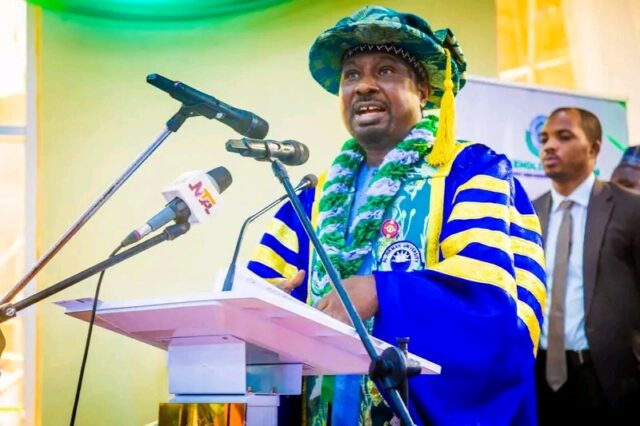
Earlier today, I was in Ilorin, the capital of Kwara State, where I had the honour of delivering the Convocation Lecture during the 15th Convocation Ceremony of Al-Hikmah University.
The lecture, titled “Managing Executive–Legislature Relations towards Democratic Consolidation in Nigeria’s Fourth Republic,” focused on the evolving relationship between the executive and legislative arms of government since Nigeria’s return to democratic rule in 1999.
As a member of the House of Representatives in 1999 and now in the Senate, I noted that the executive and the legislature need to work together to address the challenges facing our beloved country.
I also took time to explain the basis of the cordial and productive working relationship between the National Assembly and the executive arm under His Excellency, President Bola Ahmed Tinubu, GCFR.
The president always engages us. He talks to us. As a former senator and former governor, he understands the importance of collaboration between the two arms.
The Vice-Chancellor of the university, Professor Lateef Folorunsho Oladimeji, announced the university’s resolution to confer an honorary doctorate degree on me. He said the investiture would be done at a later date.
Highlights of the event included the commissioning of the newly constructed female hostel for postgraduate students at the institution and the presentation of awards to me by students’ bodies in recognition of my contributions to the development of education in the country.
Presented below is the convocation lecture I delivered.
1.0 Introduction The Vice-Chancellor of Al-Hikma University, respected members of the Governing Council and Senate, eminent scholars, leadership of the Alumni Association, distinguished guests, parents, and graduands good morning to you all and compliment of the season. I am deeply honoured to deliver this Convocation Lecture at this esteemed institution renowned for integrating knowledge with moral and civic responsibility. I congratulate the graduands whose academic journey culminates today and whose future participation in Nigeria’s democratic development project is both inevitable and deserving at no better time than now.
The theme of this lecture, “Managing Executive-Legislature Relations towards Democratic Consolidation in Nigeria’s Fourth Republic,” addresses one of the most enduring challenges of constitutional democracy in Nigeria. Since the return to civil rule in 1999, Nigeria has made appreciable progress in democratic endurance, yet the quality of governance and institutional harmony continues to test our political maturity. At the centre of this challenge lies the relationship between the Executive and the Legislature whose interactions profoundly shape democratic outcomes.
The paper therefore seeks to evaluate the potentials of separation of powers as major feature of Nigeria’s constitutional democracy and explore how executive-legislature relations influence democratic consolidation in Nigeria within the period under consideration.
2.0 Conceptualising Democratic Consolidation Democratic consolidation refers to the process through which democracy becomes stable, institutionalised, and broadly accepted as the only legitimate framework for governance (Linz & Stepan, 1996). A consolidated democracy is one in which political actors, institutions, and citizens internalise democratic norms, and where the probability of democratic breakdown becomes remote.
In Nigeria’s Fourth Republic, democratic consolidation extends beyond the regular conduct of elections. It encompasses adherence to constitutionalism, respect for separation of powers, accountability, rule of law, and effective inter-institutional collaboration (Diamond, 1999). The Executive-Legislature relationship therefore constitutes a critical arena in which democratic values are either strengthened or undermined.
3.0 Theoretical Foundations of Executive-Legislature Relations Nigeria operates a presidential system modelled on the principle of separation of powers, with checks and balances designed to prevent authoritarian dominance by any arm of government. Montesquieu’s classical theory posits that liberty is best preserved when governmental powers are separated yet coordinated (Montesquieu, 1748/1989). However, separation of powers does not imply isolation or antagonism. Rather, it presupposes structured interaction, mutual restraint, and institutional respect. Executive-Legislature relations thus fluctuates between cooperation and oversight, collaboration and partial disagreement. Where these dynamics are poorly managed, governance paralysis, institutional conflicts, and democratic regression may occur (Shugart & Carey, 1992).
4.0 Executive-Legislature Relations in Nigeria’s Fourth Republic Since 1999, Nigeria’s Executive-Legislature relations have evolved through distinct phases, ranging from intense confrontation to cautious cooperation. Early years of the Fourth Republic were marked by frequent conflicts over leadership of the National Assembly, budgetary processes, impeachment threats, and oversight functions which constitute impediments towards democratic consolidation after prolonged military rule (Alemika & Omotosho, 2013).
These tensions often stemmed from:
Executive dominance inherited from prolonged military rule;
Weak institutional capacity within the Legislature;
Partisan competition overriding constitutional responsibility; and
Personalisation of power rather than institutional governance (Suberu, 2010). Nonetheless, the Legislature has progressively asserted its constitutional role in law-making, representation, and oversight, contributing to the development of Nigeria’s democratic process.
5.0 Constitutional Roles and Boundaries The 1999 Constitution of the Federal Republic of Nigeria (as Altered) clearly delineates the powers of the Executive and the Legislature. While the Executive is responsible for policy initiation and implementation, the Legislature is vested with powers of law-making, appropriation, and oversight.
Budgetary control remains a major interface between both arms. Legislative scrutiny of executive spending is a cornerstone of accountability and fiscal discipline.
Effective democratic consolidation requires that both arms operate within constitutional boundaries while recognising the legitimacy of each other’s mandates as clearly established in various constitutional and legal frameworks.
6.0 Oversight, Accountability, and Democratic Governance Legislative oversight is not an act of hostility but a democratic necessity. Through investigations, hearings, and confirmations, the Legislature ensures that executive actions align with public interest and legal standards (Barkan, 2009). When oversight is politicised or weaponised, it erodes public confidence and weakens democratic institutions.
Conversely, when the Executive undermines legislative oversight through coercion, inducement, or administrative obstruction, it fosters executive dominance and democratic fragility. Democratic consolidation thrives where oversight is constructive, evidence-based, and anchored in national interest. This culture is prioritized in both the Legislative Agenda of the Senate and House of Representatives within the period under reference to sustain the objectives of law-making for the peace order and good governance of the Federal Republic of Nigeria.
7.0 Political Parties and Executive-Legislature Relations Political parties significantly mediate Executive-Legislature relations in Nigeria. Party discipline can facilitate policy coherence, yet excessive executive control of party structures often compromises legislative independence (Omotola, 2009).
Intra-party democracy, respect for internal dissent, and ideological clarity are essential for healthy inter-arm relations. Legislators must balance party loyalty with constitutional responsibility, while executives must recognise that legislative independence strengthens democratic governance.
8.0 Towards Effective Management of Executive-Legislature Relations To deepen democratic consolidation in Nigeria, the following imperatives are critical:
8.1 Institutional Respect and Dialogue Regular, structured engagement between both arms can pre-empt conflicts and foster policy synergy without compromising independence.
8.2 Strengthening Legislative Capacity Technical expertise, research support, and administrative autonomy enhance legislative effectiveness and reduce undue executive dependence. The establishment of National Institute for Legislative and Democratic Studies (NILDS) as well as the National Assembly Library Trust Fund are targeted towards enhancing legislative capacity for constructive engagements with the executive. This development has no doubt contributed in reducing political tension that characterized the political environment in the early part of the Fourth Republic when such opportunities do not exist.
8.4 Adherence to Constitutionalism Personal or partisan interests must never supersede constitutional provisions. This strategy will actualize the tenants of rule of law by ensuring equality, objectivity and impartiality in the governance process.
8.5 Civic and Democratic Education Public understanding of democratic roles promotes accountability and restrains institutional excesses.
8.6 Ethical Political Leadership Democratic consolidation ultimately depends on leaders who prioritise national interest over personal ambition. The ability to balance these competing interests will require a platform that legislature and executive will utilize to consolidate democratic governance for national development.
8.7 Strengthening Internal Democracy Political parties should strengthen internal democracy to complement development of Legislative Agenda that reflects shared political goals and issues that promote public interest. The implementation of the foregoing strategies will undoubtedly consolidate our democratic governance where the executive and legislature will continue to sustain a symbiotic relations predicated on mutual trust, preservance of institutional integrity and delivery of constitutional responsibilities to meet the objectives of governance within the context of existing legal frameworks.
9.0 Conclusion Distinguished audience, Nigeria’s Fourth Republic has endured longer than any previous democratic experiment in our history. This endurance, however, must be matched with qualitative democratic deepening. Managing Executive–Legislature relations with wisdom, restraint, and constitutional fidelity is central to this task.
As graduands of Al-Hikma University step into society, I urge you to uphold democratic values, demand accountable governance, and contribute intellectually and ethically to Nigeria’s democratic consolidation. Democracy is not sustained by institutions alone, but by enlightened citizens and principled leaders.
I congratulate Al-Hikma University on its commitment to producing graduates equipped, not only with knowledge, but with civic responsibility. May Nigeria’s democracy continue to grow in strength, stability, and service to the people.
Thank you, and God bless the Federal Republic of Nigeria.
References Alemika, E. E. O., & Omotosho, M. (2013). Federalism and democratic governance in Nigeria. Spectrum Books.
Barkan, J. D. (2009). Legislative power in emerging African democracies. Lynne Rienner Publishers.
Diamond, L. (1999). Developing democracy: Toward consolidation. Johns Hopkins University Press.
Linz, J. J., & Stepan, A. (1996). Problems of democratic transition and consolidation. Johns Hopkins University Press.
Montesquieu. (1989). The spirit of the laws (A. M. Cohler et al., Trans.). Cambridge University Press. (Original work published 1748)
Okoosi-Simbine, A. T. (2010). Understanding the role and challenges of the legislature in Nigeria’s Fourth Republic. Journal of Legislative Studies, 16(3), 1–17.
Omotola, J. S. (2009). Nigerian parties and political ideology. Journal of Alternative Perspectives in the Social Sciences, 1(3), 612–634.
Shugart, M. S., & Carey, J. M. (1992). Presidents and assemblies: Constitutional design and electoral dynamics. Cambridge University Press.
Suberu, R. T. (2010). The Nigerian federal system: Performance, problems and prospects. Journal of Contemporary African Studies, 28(4), 459–477.
The strategic meeting was to discuss how to propagate the achievements of His Excellency President Bola Ahmed Tinubu GCFR especially in the Northwest Region.The delegation led by Hon. Sani Gilashi, have pledged to disseminate the programs and projects of Mr President across social media platforms so that the people of Northwest can visibly see such projects in Agriculture, Education, Health Care, Infrastructure and Human Capital Development.This propagation is necessary as the Region is the largest and gave the most votes to the President during the last election.#PresidentialVillaUpdate
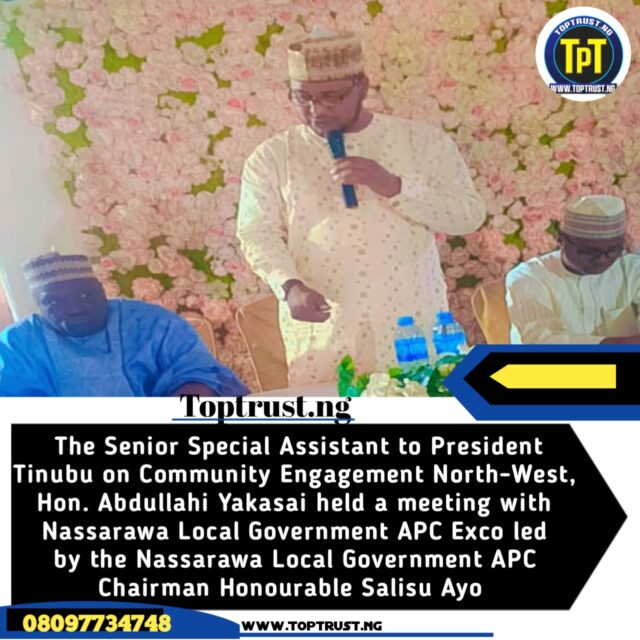
On 6/01/2026, The Senior Special Assistant to President Tinubu on Community Engagement North-West, Hon. Abdullahi Yakasai, held a Meeting with Nassarawa Local Government APC Exco led by the Nassarawa Local Government APC Chairman Honourable Salisu Ayo.
They had fruitful discussions on the need to strengthen the Party across the 11 wards in the Local Government. I implore the EXCO to take advantage of INEC Voters Registration which commenced this week so that we get people who have not registered to register as party members.Hon. Yakasai equally encourage party members to go get registered on the APC E-Registration that commenced Nationwide.They highlighted the achievements of His Excellency President Bola Ahmed Tinubu GCFR especially in Kano State and endorsed him for his re-election in 2027.
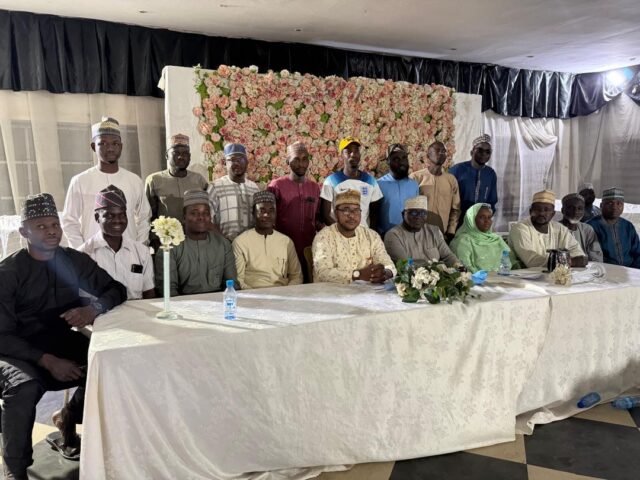
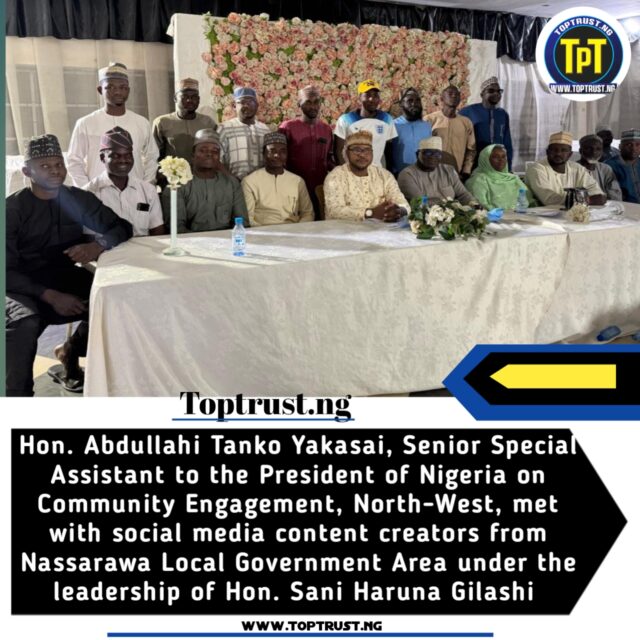
Hon. Abdullahi Tanko Yakasai, Senior Special Assistant to the President of Nigeria on Community Engagement, North-West, met with social media content creators from Nassarawa Local Government Area under the leadership of Hon. Sani Haruna Gilashi.Hon. Sani Haruna Gilashi, who leads the group, delivered an extensive address on the structured and disciplined manner in which they manage social media activities. During the meeting, their discussion of important issues relating to community development were discussed, as well as strategies for promoting and publicizing the activities of the President of Nigeria, Asiwaju Bola Ahmed Tinubu.
Hon. Abdullahi Tanko Yakasai, SSAP on Community Engagement, North-West, expressed his delight with the visit and commended their presentations, particularly their tireless efforts in promoting the laudable initiatives and achievements of the President day and night without fatigue.In conclusion, he expressed his appreciation and goodwill and reaffirmed his readiness to work and move forward with them, especially in the dissemination and promotion of the good works of the President of Nigeria.
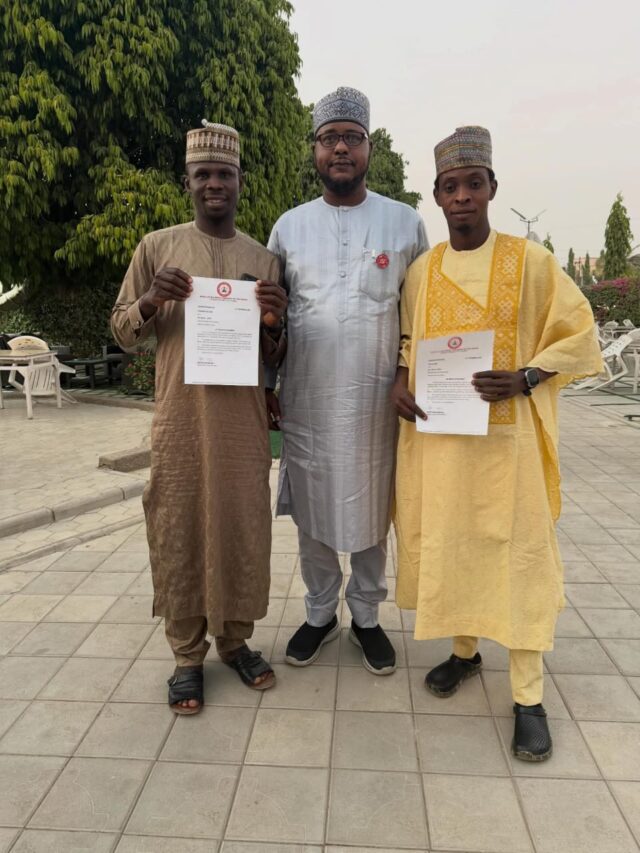
On 3/01/2026, In a clear demonstration of strategic leadership and political inclusiveness, The Senior Special Assistant to President Tinubu on Community Engagement North-West, Hon. Abdullahi Yakasai, has successfully facilitated the appointment of 2 loyal disciples from the office of the Deputy Senate President (DSP) as Special Assistants (SA).
The appointments of Honourable Sultan Maitama and Honourable Harazimi Shuaibu further reaffirm the DSP’s commitment to rewarding loyalty, strengthening grassroots political structures, and deepening effective governance.
The SSAP urged the appointees to show dedication and commitment in discharging their responsibilities and to repose the confidence I have in them.
Ayyuba JarimiSSA Media to the DG, NPCSunday, 4th January, 2026
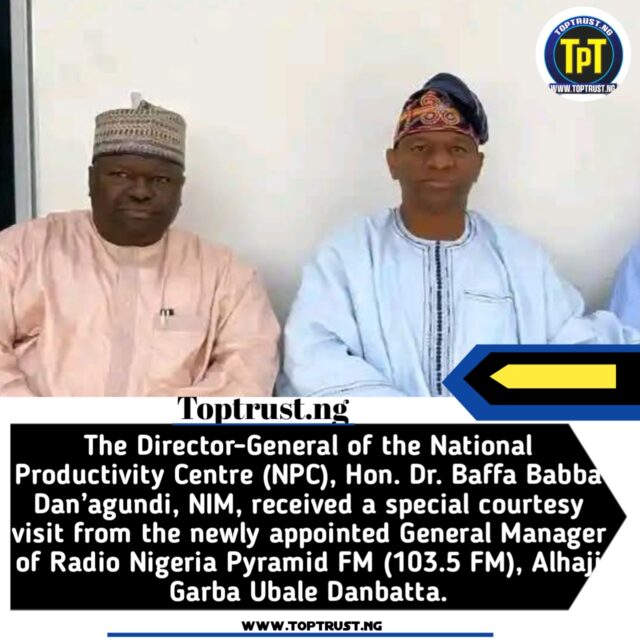
The Director-General of the National Productivity Centre (NPC), Hon. Dr. Baffa Babba Dan’agundi, NIM, received a special courtesy visit from the newly appointed General Manager of Radio Nigeria Pyramid FM (103.5 FM), Alhaji Garba Ubale Danbatta.
The visit was to formally introduce himself as the new General Manager and to commend the Director-General of NPC for the support initiatives being carried out across the state and neighbouring states for the benefit of the people. Alhaji Danbatta assured that Radio Nigeria would give its full support in publicizing the activities and programmes of the NPC. In his remarks, Dr. Baffa Babba Dan’agundi, NIM, commended the efforts of the new General Manager in revitalizing Radio Nigeria and emphasized the vital role of the media in national development.