The bills include:Federal University of Education (Special), Oyo (Establishment) Bill, 2024 (SB.67); Federal University of Health Sciences, Funtua, Katsina State (Establishment) Bill, 2024 (SB.690); Federal University of Technology, Ikot Abasi, Akwa Ibom State (Establishment) Bill, 2024 (SB.395); Federal University of Geomatics, Oyo, Oyo State (Establishment) Bill, 2025 (SB.496); Federal University of Technology and Vocational Studies, Yaba, Lagos State (Establishment) Bill, 2025 (SB.738); and Federal University of Technology, Omoku, Rivers State (Amendment) Bill, 2025 (SB.570).
The bills under consideration are not only timely but strategic in our collective drive to ensure inclusive, accessible, and relevant education for all Nigerians. These bills reflect our recognition of the critical need to address gaps in specialized education, create opportunities for innovation and skills development, and promote regional balance in access to quality tertiary education.
Nigeria is at a pivotal point in its development journey. Our population continues to grow, and so must our investments in human capital. Universities of technology, health sciences, education, and vocational studies are instrumental in preparing a workforce that is capable of driving innovation, delivering essential services, and transforming the nation’s economic fortunes. The inclusion of specialized institutions like the proposed University of Education (Special), Oyo and the University of Geomatics highlights our intention to cater to specific educational and developmental needs.
In a similar vein, the establishment of these universities reflects our acknowledgment that a prosperous Nigeria must be powered by a generation skilled in both theoretical knowledge and practical application. These initiatives are not just about constructing new campuses or expanding infrastructure. They are about empowering minds, igniting innovation, and nurturing national unity through equitable access to educational opportunities.
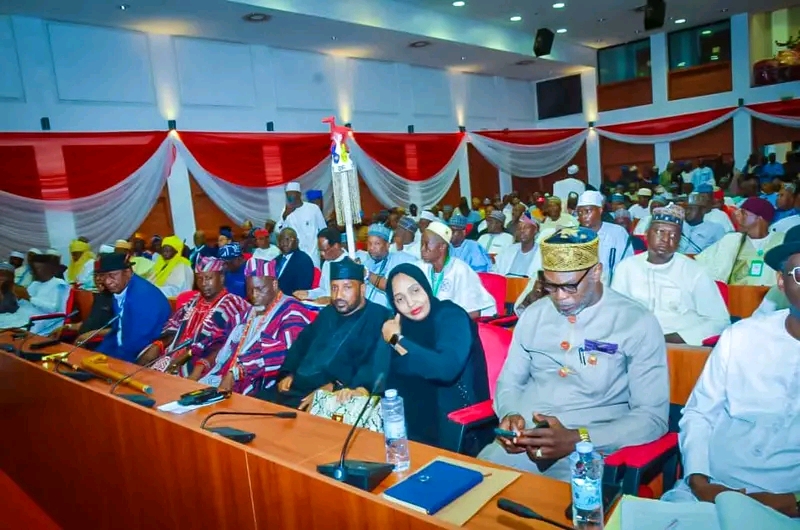
I commended the Senate Committee on Tertiary Institutions and TETFund under the chairmanship of Distinguished Senator Muntari Dandutse for the foresight and diligence in organizing this public hearing. Public participation in lawmaking is a constitutional imperative and a democratic best practice. It ensures that all stakeholders — from the academic community to civil society and the private sector — contribute meaningfully to shaping legislation that will define our nation’s future.
Let us together lay a strong legislative foundation for an inclusive and resilient education sector that serves as the bedrock of national development.